Commercial Gym Equipment Buying Guides
Practical global resources for importers, distributors, gym owners and private-label brands comparing equipment, suppliers, OEM options, installation preparation and shipment requirements.
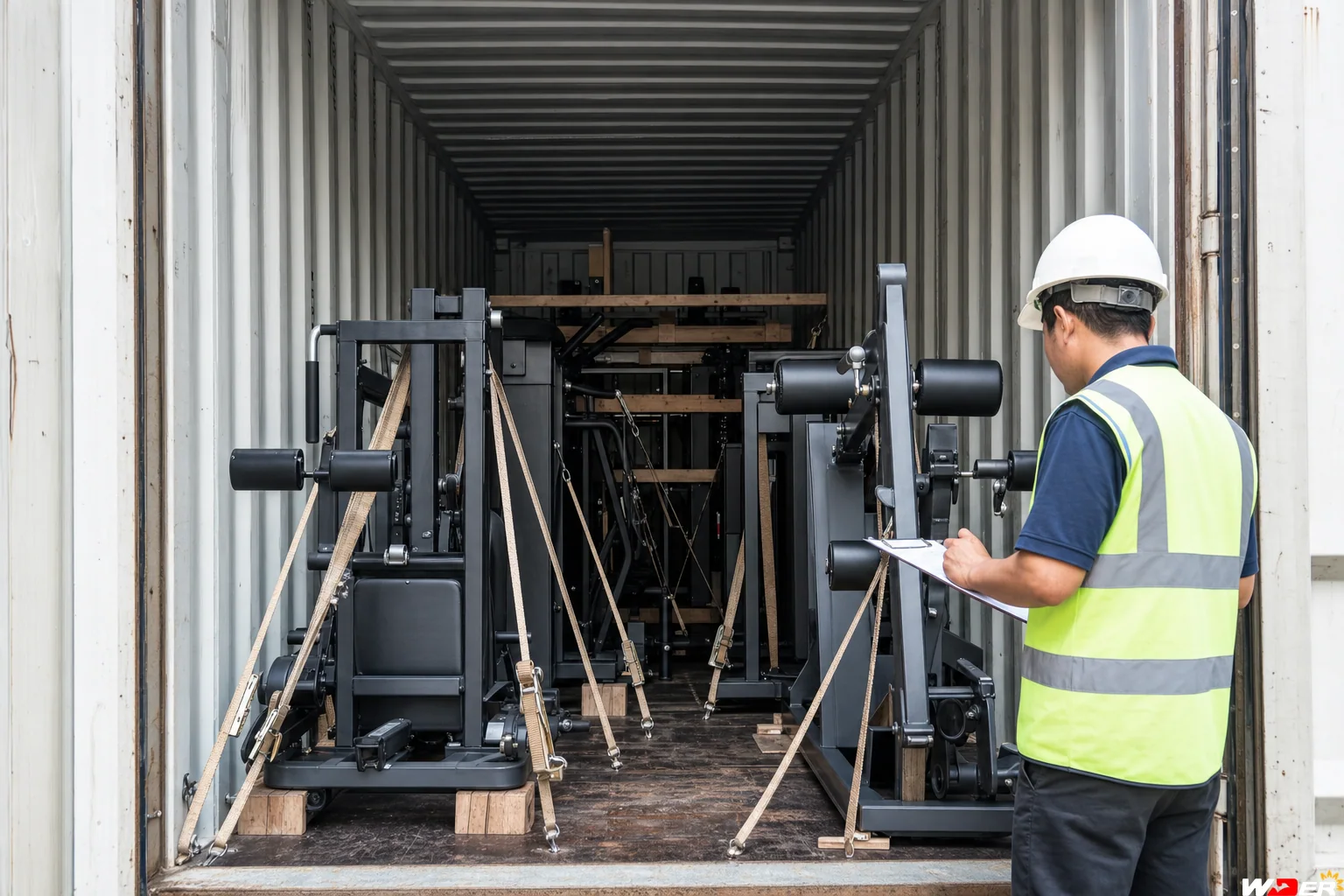
Gym Equipment Container Weight Distribution and Securing Guide
Use model-level package weights and dimensions to keep heavy cargo low, distribute load across the container floor and avoid excessive concentration or side-to-side imbalance. Control center of gravity, blocking, bracing, lashing and voids while preserving a safe unloading sequence. The final plan must respect container, carrier and route requirements.
Read Guide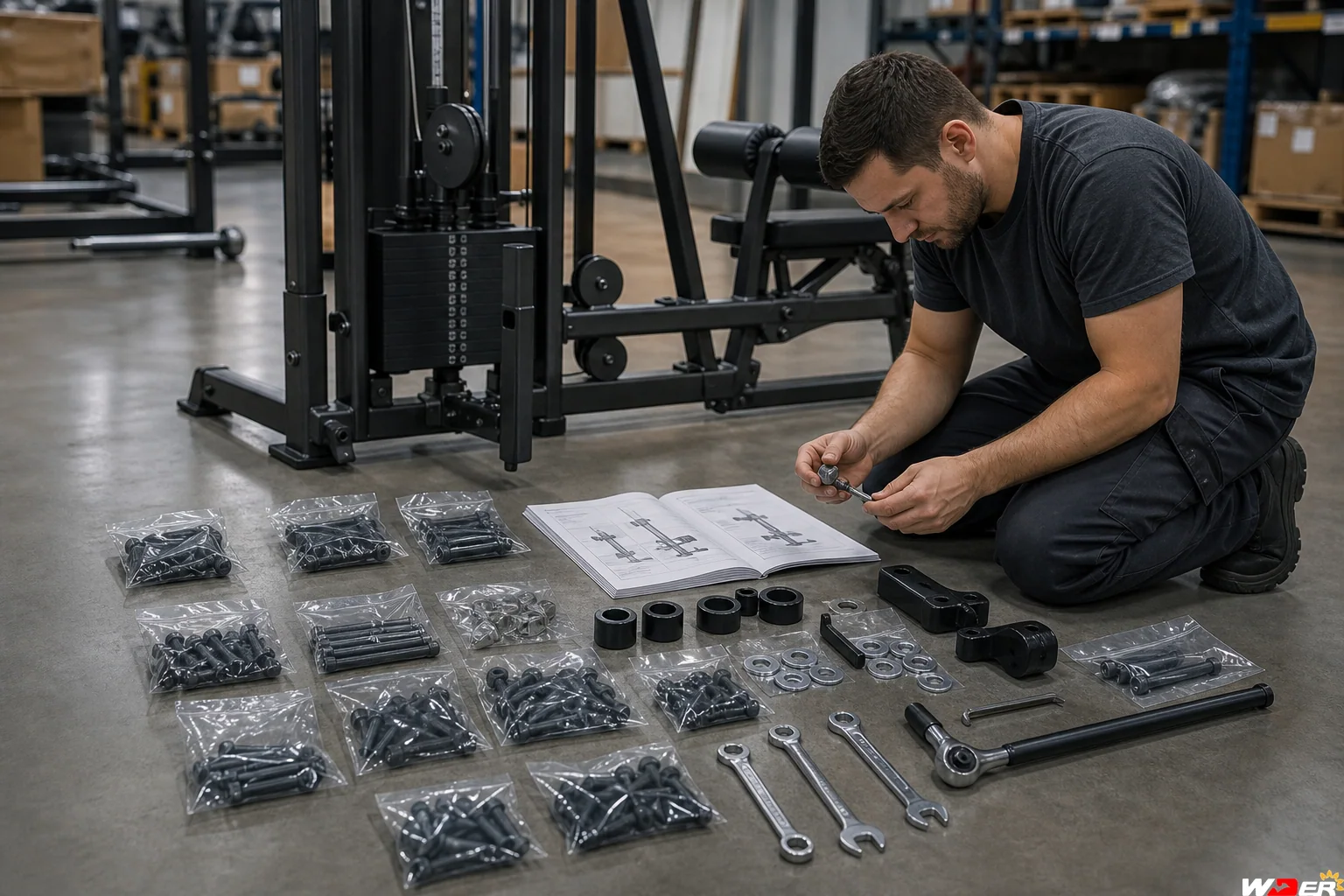
Commercial Gym Equipment Installation Hardware Bag Control Guide
Each hardware bag should be linked to one model and assembly revision, with part codes, images, quantities and installation-step references. The factory should count or weigh verified kits, seal them, apply a clear package mark and reconcile them with the packing list. Installers need a shortage-reporting method that identifies the exact missing part quickly.
Read Guide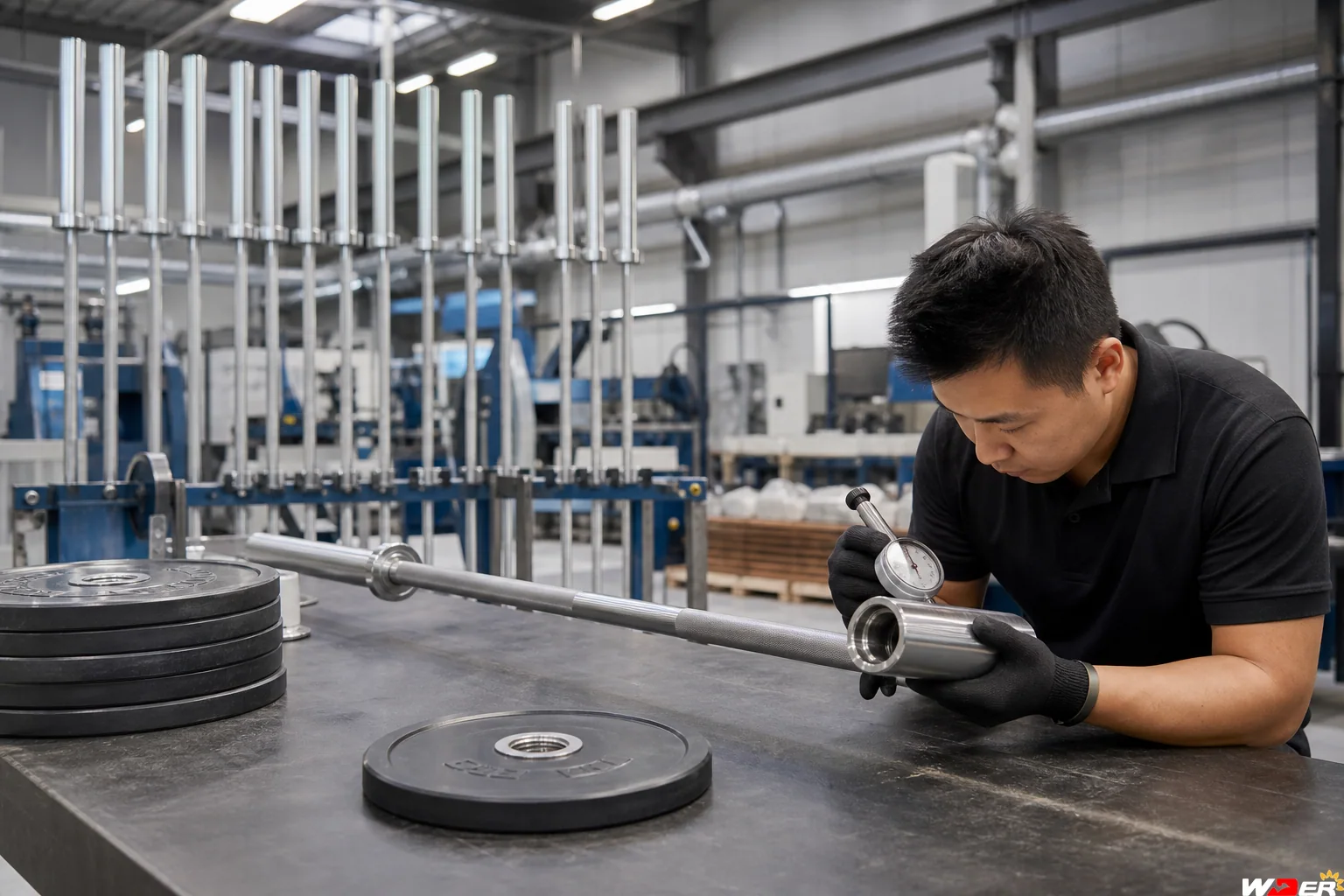
Commercial Olympic Bars and Weight Plates Tolerance Inspection Guide
Confirm the ordered bar and plate types, nominal dimensions, intended use and agreed tolerances. Sample bar straightness, sleeve rotation and finish, then check plate bore fit, weight identification, surface condition and pairing consistency. Do not assume all products described as Olympic have identical tolerances, materials or suitability for repeated dropping.
Read Guide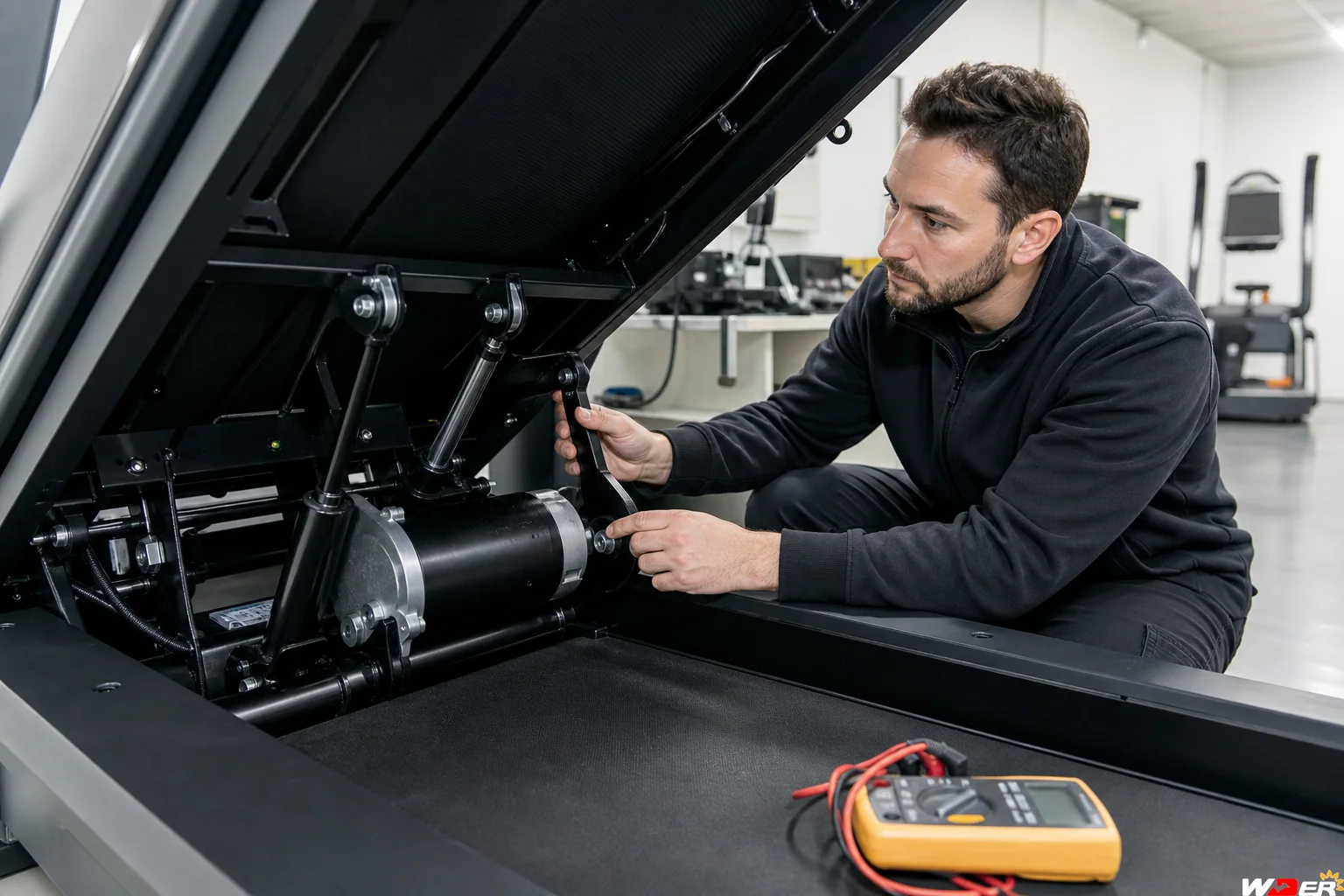
Commercial Treadmill Incline System Inspection Guide
Test the incline system across its complete stated range and repeated cycles while checking console response, lift mechanism, linkage, pivots, limit behavior, noise and deck stability. Confirm that cables and moving parts have clearance and that service access is practical. The test method, cycle count and acceptance limits should be agreed for the selected model and project.
Read Guide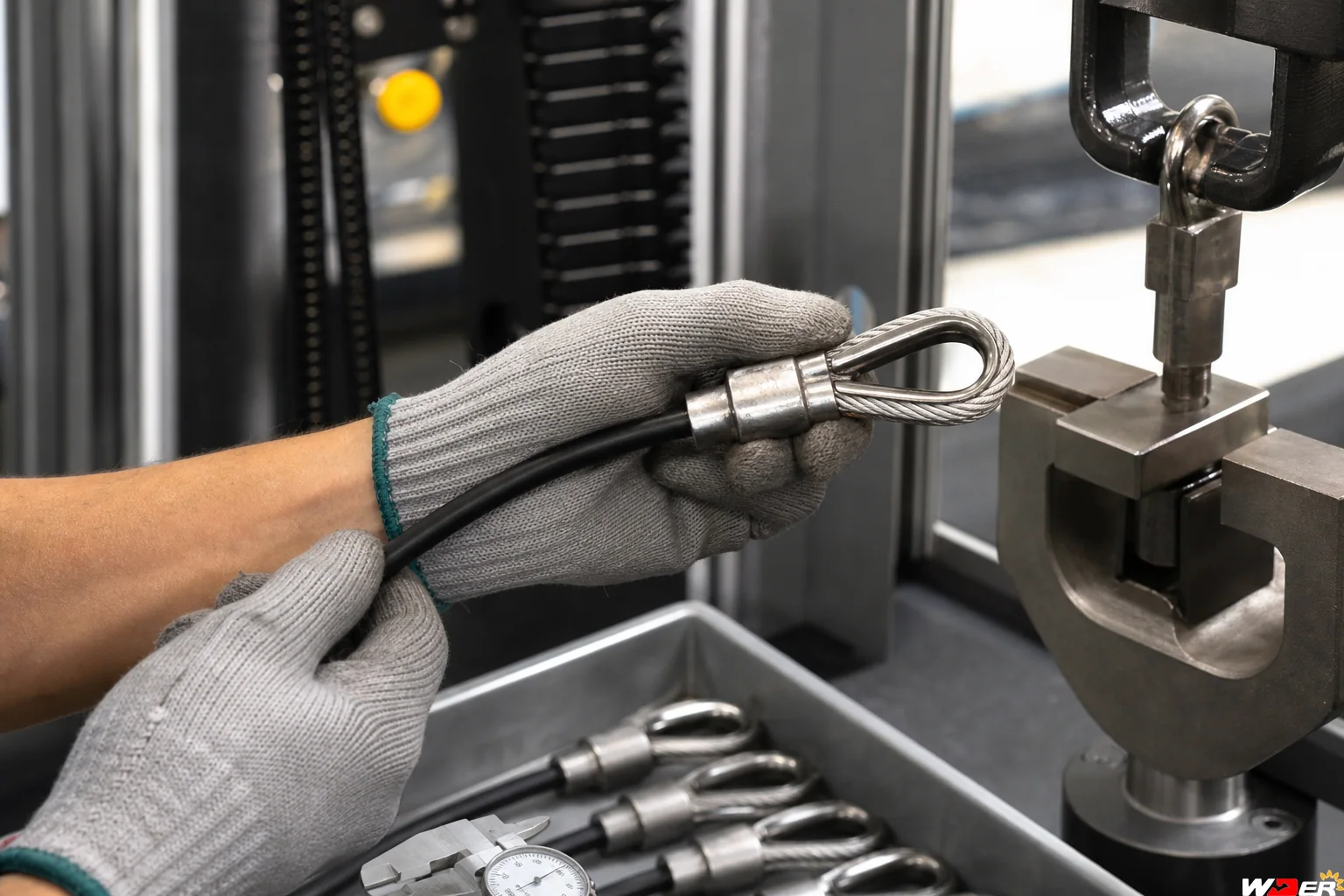
Selectorized Gym Machine Cable Termination Inspection Guide
Check that the cable matches the approved specification and that each termination, swage, thimble, sleeve and attachment is correctly formed, aligned and protected. Run the machine through its full travel to confirm clearance and stable tracking. Any proof-load or pull-test requirement must use an agreed method and acceptance value for the exact cable assembly.
Read Guide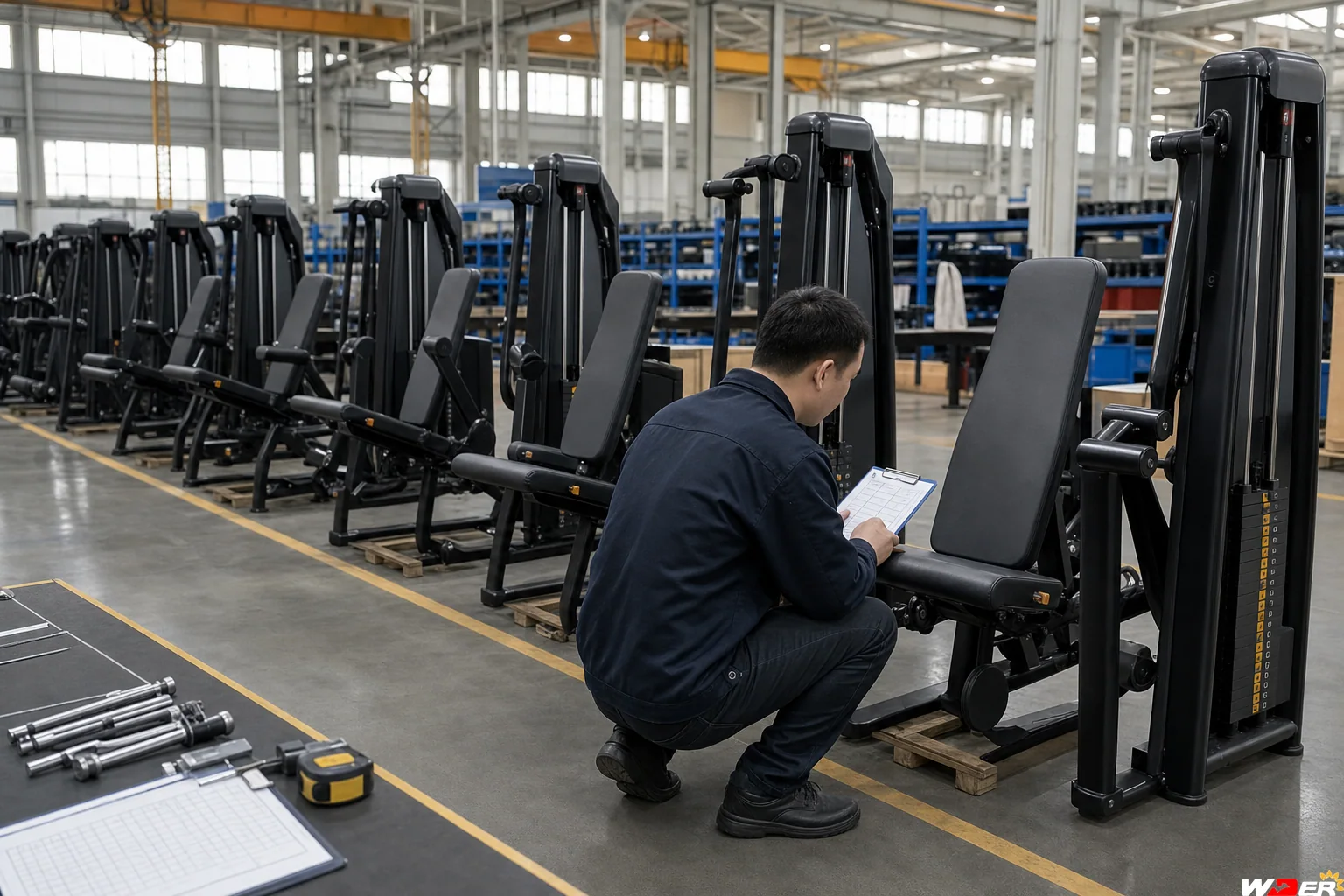
Commercial Gym Equipment AQL and Sampling Inspection Guide
AQL sampling should begin with a clearly defined lot, inspection level, defect classes and agreed acceptance criteria. Inspectors must select units randomly and combine visual checks with model-specific assembly, movement, adjustment, stability and function tests. The buyer should approve the sampling plan before inspection; AQL does not replace engineering validation or automatically guarantee every unit.
Read Guide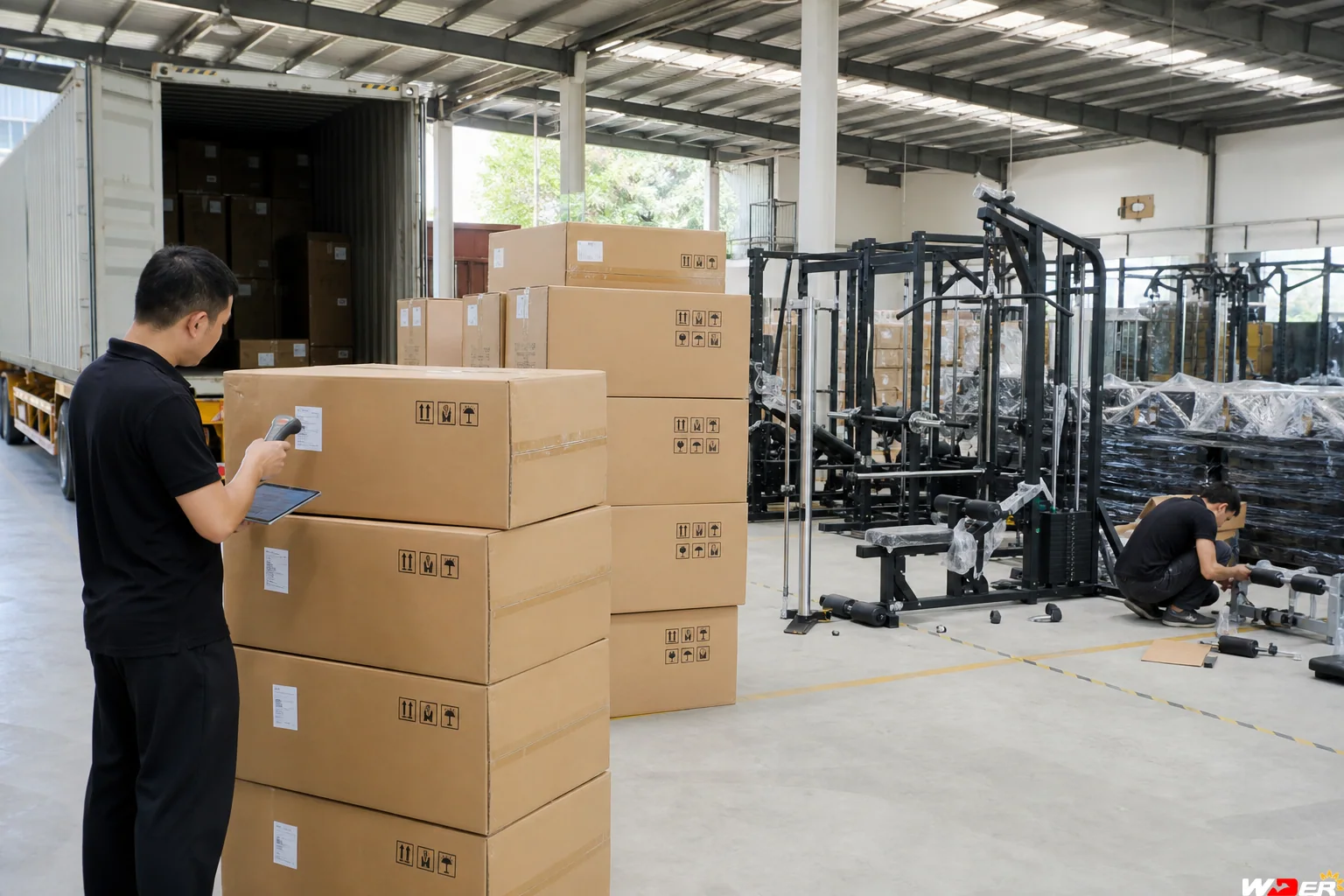
Gym Equipment Shipment Carton Count and Serial Tracking Guide
Use a model-level packing list that states package count, carton mark, gross and net weight, dimensions and linked accessories. Add a serial or batch reference where the product system supports it. Reconcile marks during loading and receiving, photograph exceptions before moving goods, and keep shortage or damage records tied to the purchase order.
Read Guide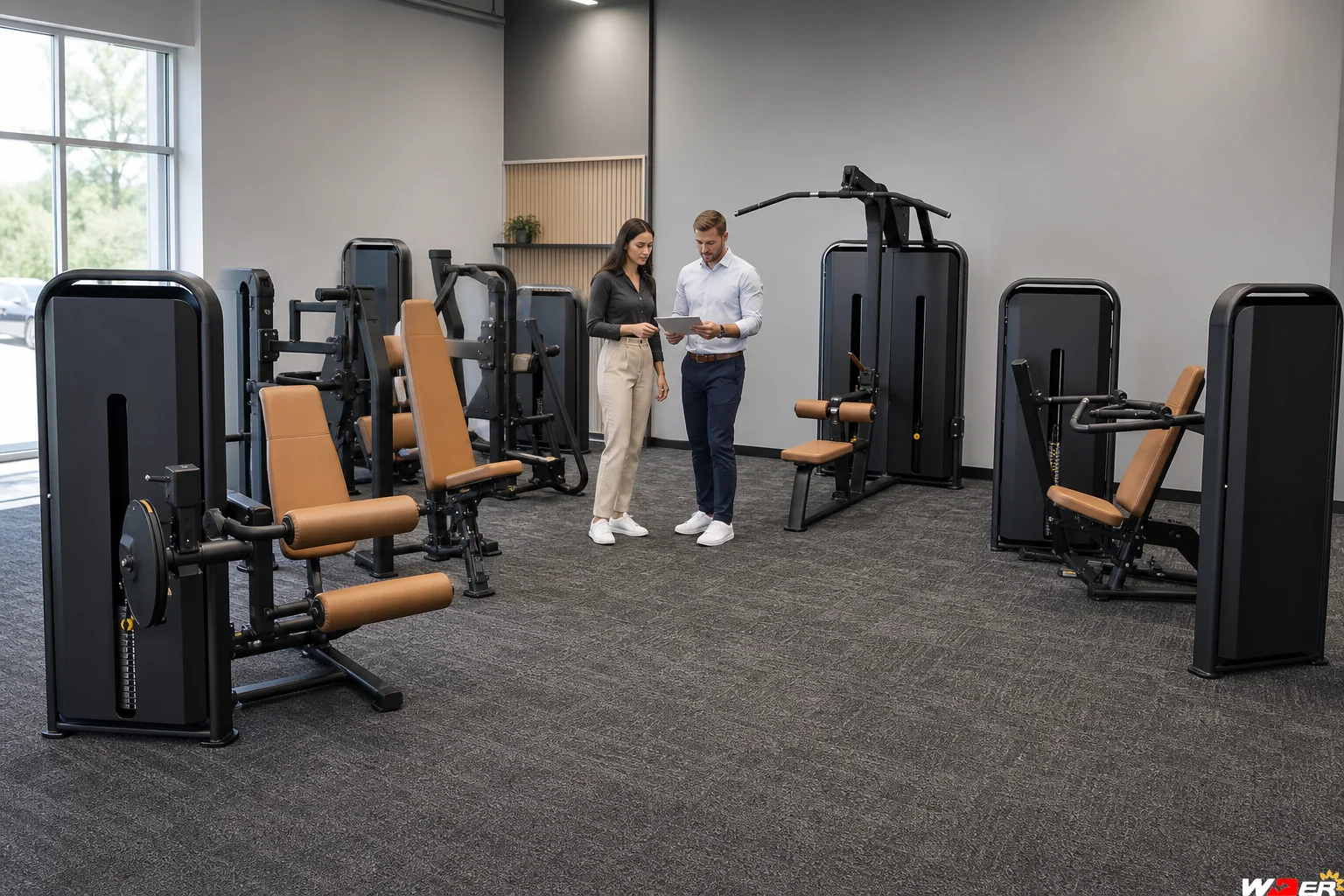
Private Label Gym Equipment Product Family Consistency Guide
Create one controlled brand specification covering frame colors and gloss, upholstery references, logo artwork and placement, labels, warning graphics, model naming and packaging marks. Approve representative samples and apply revision control across every machine. Compare production photos under consistent lighting before shipment; color names alone are not reliable references.
Read Guide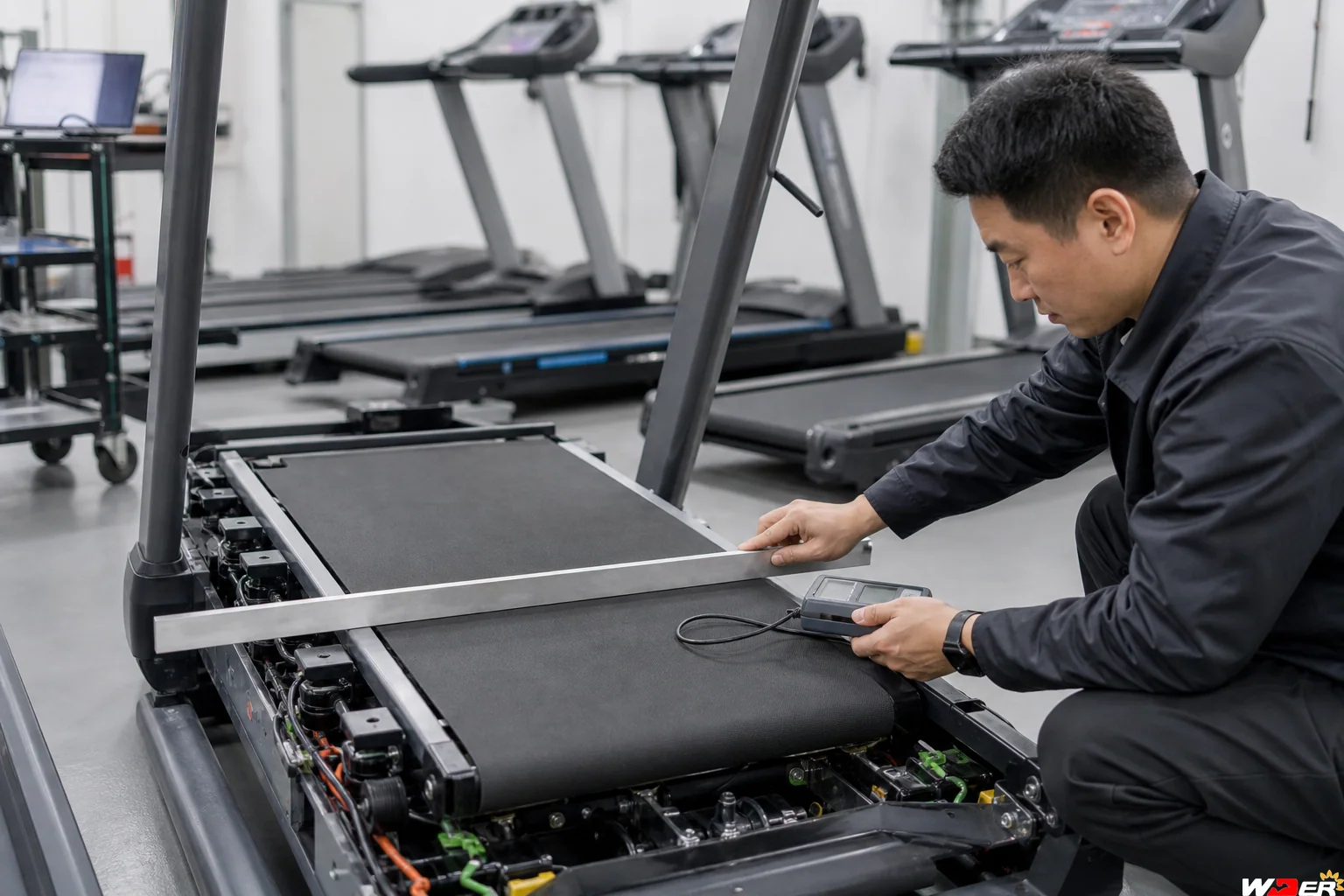
Commercial Treadmill Deck Cushioning and Belt Alignment Guide
Compare the complete deck, belt and cushioning system on the exact model. Ask how cushioning elements are positioned, how belt tracking and tension are adjusted, and what testing checks noise, heat, slippage and emergency stop. Match the treadmill to user profile, traffic, voltage and maintenance capability. A single softness or motor claim is not enough.
Read Guide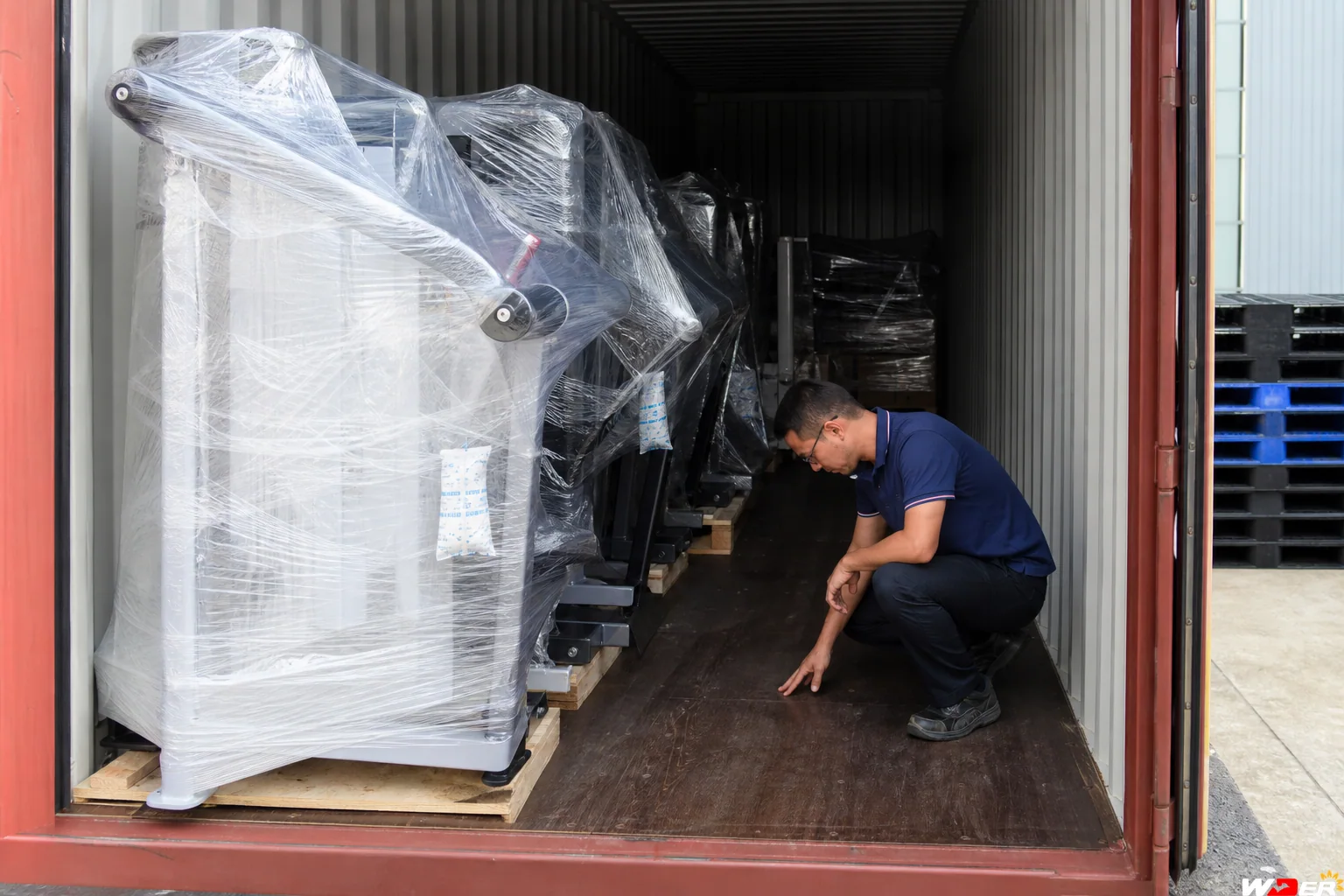
Gym Equipment Container Moisture and Condensation Protection Guide
Load dry products into a dry, sound container; keep wet timber or packaging out; isolate equipment from the container floor; use suitable barrier materials and calculate desiccant for the route and packing system. Photograph container condition and loading. On arrival, record moisture, packaging and corrosion evidence before cleaning or discarding materials.
Read Guide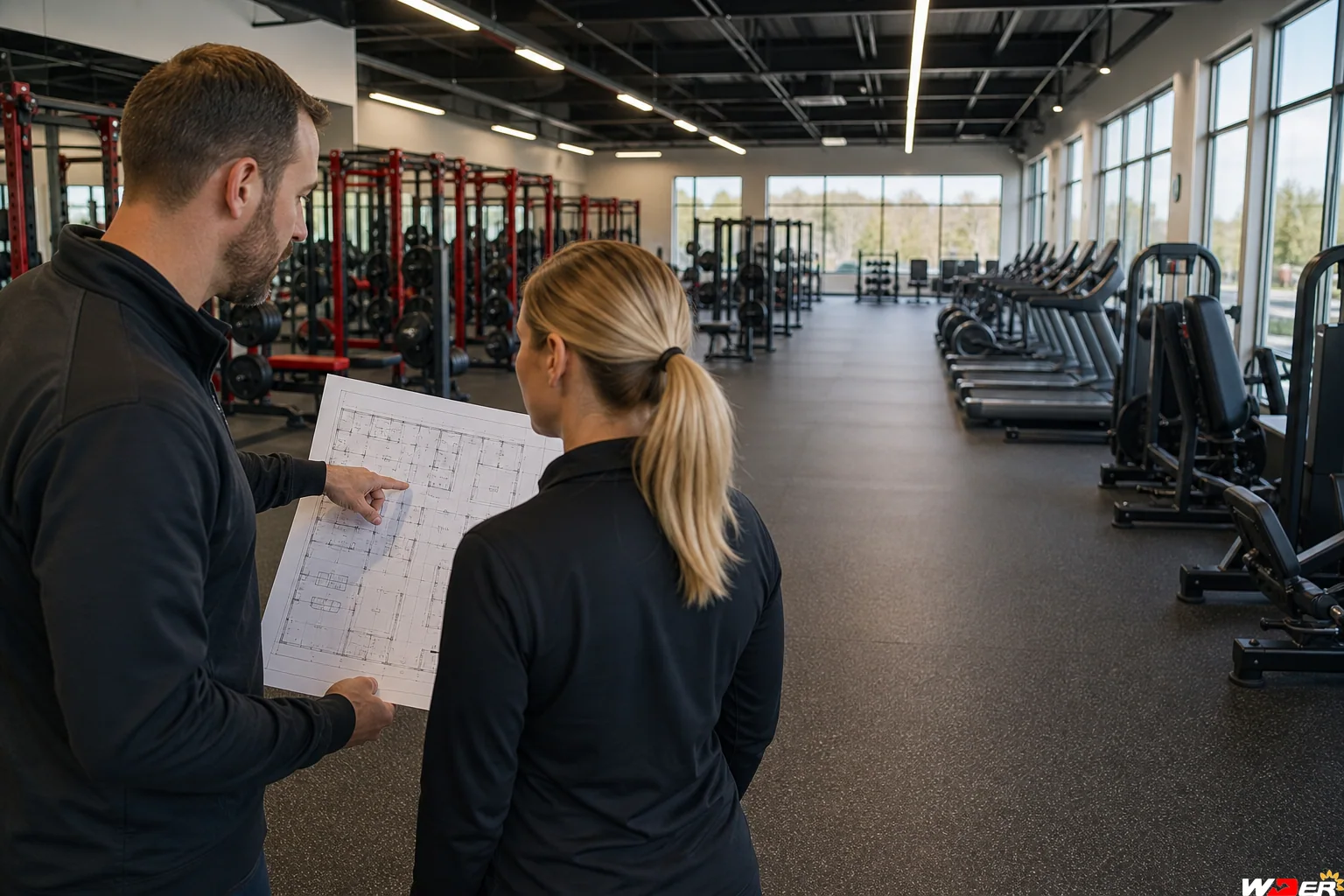
Commercial Gym Equipment Weld Inspection Before Coating Guide
Weld inspection should confirm the joint matches the approved design and the factory's controlled process. Before coating, check fit-up, continuity where specified, profile, visible discontinuities, distortion, sharp residue and cleanup at user-contact areas. Acceptance criteria should be agreed for the product and process; appearance alone does not establish structural capacity.
Read Guide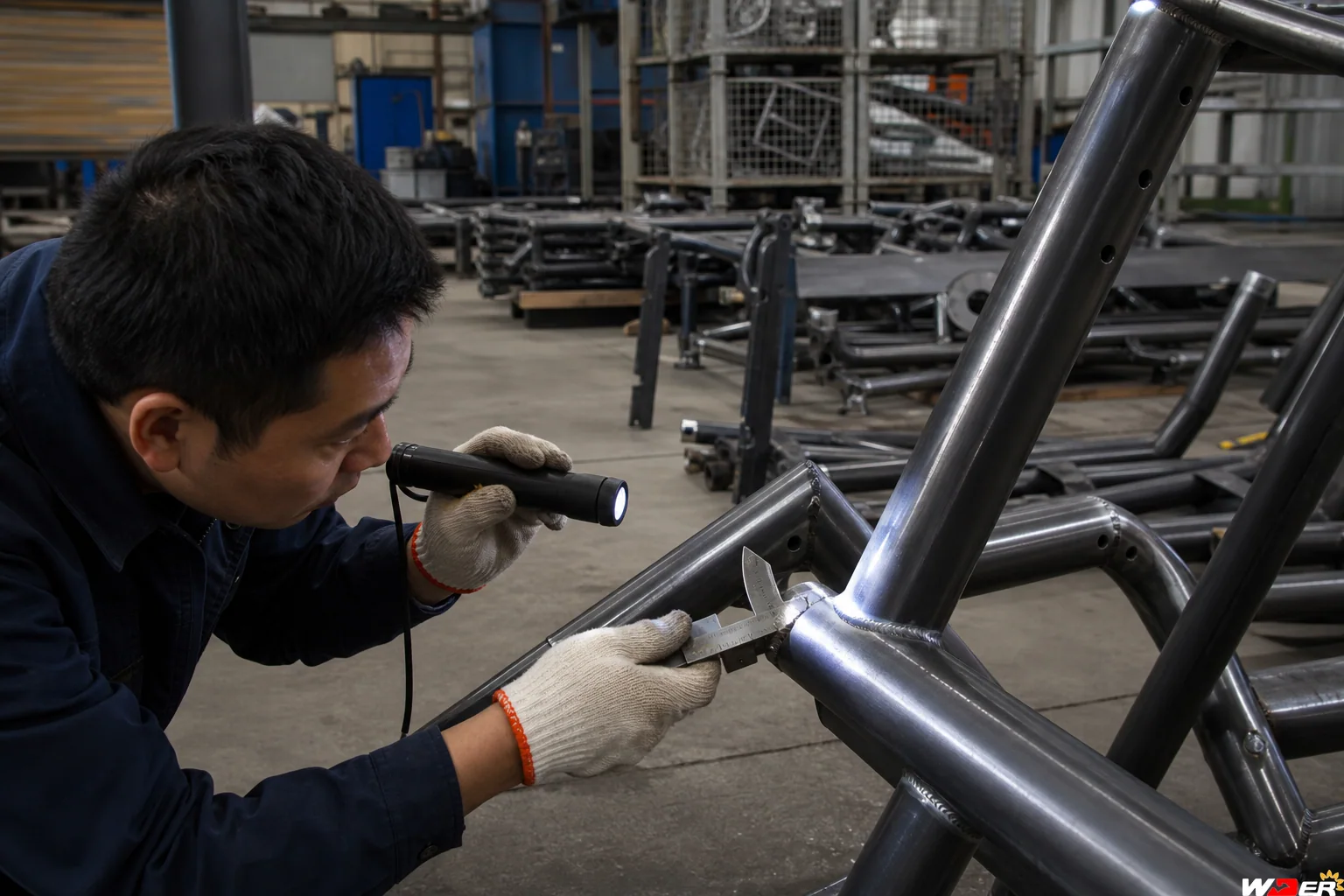
Commercial Gym Accessibility and Circulation Layout Guide
Start with each machine's operating envelope, not its static footprint. Keep verified accessible routes, transfer and approach space, emergency paths, supervision sightlines, cleaning access and maintenance clearance. Coordinate the equipment plan with the architect and local accessibility or fire requirements. Generic aisle figures should not replace a project-specific code review.
Read GuideNeed a quotation, catalog or OEM product plan?
Send your target market, product categories and quantity. WDER will help prepare suitable model suggestions.
Contact WDER