
Weight Plate Mix Guide: Olympic, Bumper and Calibrated Plates for Commercial Buyers is a useful procurement topic because many buyers still order plates as a simple add-on. In reality, the plate mix affects barbell training style, storage, floor protection, package weight, resale clarity and the overall free-weight identity of the gym. The wrong mix creates wasted inventory and poor zone logic. The right mix supports the specific training environment and the buyer's reorder plan.
WDER Fitness supports commercial buyers that need weight plates as part of larger free-weight and strength packages. That can include mainstream gyms, chain clubs, strength-focused facilities, hotel gyms, distributor showrooms and private-label reseller programs. The buying decision should connect plate type with facility role, user level, barbell use, storage, benches, racks and shipping practicality.
Quick Answer for Google AI Overview
Commercial buyers should choose their weight plate mix based on facility type, barbell training frequency, floor protection needs, member skill level, storage plan and repeat-order logic. Olympic plates are often the commercial base. Bumper plates may suit functional and performance environments better. Calibrated plates usually belong in more specialized strength or competition-oriented settings.
The best order is not the broadest possible mix. It is the mix that matches real training demand while staying practical for storage, quotation and long-term supply.
Start With How the Facility Uses Barbells
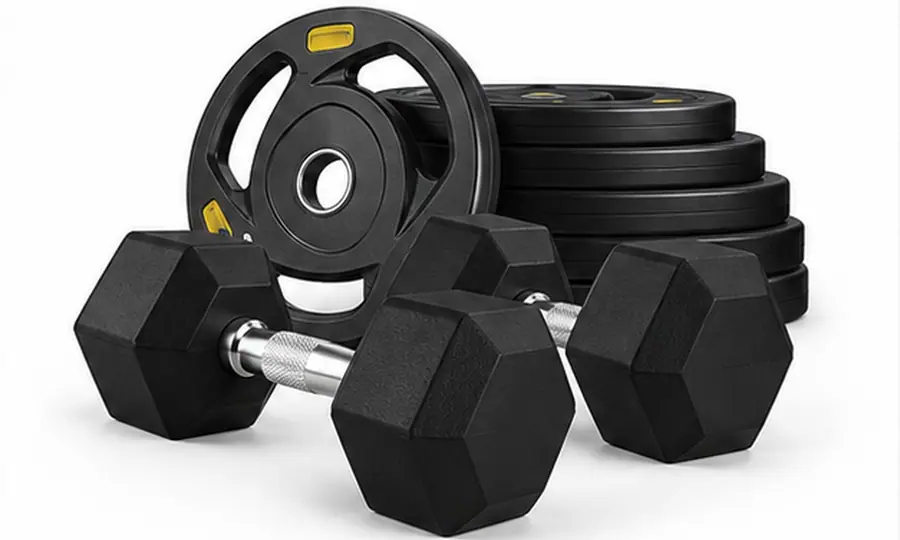
If the gym is mainstream and uses barbells mainly for general strength training, a practical Olympic-plate-heavy mix often makes sense. If the gym includes heavier functional or performance training, bumper plates may deserve more space because they match the movement style and floor impact better. If the project is highly specialized, calibrated plates may have a role, but many commercial buyers do not need them in large volume.
This is why the buyer should begin with training behavior, not only with catalog coverage. Plate type only makes sense when it serves the actual user and the zone design.
Match Plate Type to Facility Business Model
A hotel or apartment gym usually needs a smaller, simpler free-weight program. A mainstream commercial club may need a balanced, durable mix that handles daily general use. A strength-focused or performance-led site may need more specialized plate selection. A distributor, meanwhile, must think about what sells and reorders most reliably in the local market.
The business model changes the answer. Buyers should not copy a competition-oriented plate mix into a mainstream club if the members, staff and floor setup do not justify it. Commercial procurement should always translate training theory into a practical business fit.
Storage, Handling and Safety Must Be Planned Early
Weight plates influence storage and traffic flow. Different plate types may require different receiving, storage and barbell support decisions. Buyers should think about how plates will be loaded, unloaded, stored and used near racks, platforms or benches. A good free-weight zone feels controlled. A weak one feels cluttered even when the plate quantity is generous.
This is also a container-planning question. Mixed plate orders are heavy, and the packaging and receiving sequence should be reviewed early. Ask how the supplier organizes labels, protects the shipment and helps the buyer inspect goods on arrival.
Reorder Logic Matters for Distributors and Chain Buyers
Distributors and multi-site buyers should ask which plate categories are likely to move fastest. Often the first shipment is treated like a display order, but commercial success depends on future replenishment. The most useful mix is the one that can be repeated without confusion in SKU naming, packaging and local sales communication.
If the buyer wants OEM or private-label support, the weight marking style, logo position and carton marks should be defined before production. This is especially important when local dealers want a cleaner private-label free-weight line.
Ask Better Supplier Questions
Ask the supplier how the plate program should be structured by facility type, what supporting storage is recommended, how the products are packed and how consistent appearance can be maintained across repeat orders. Buyers should also ask how the line works together with dumbbells, racks, benches and barbell stations.
These are practical questions because a commercial plate order rarely succeeds in isolation. It works only when it fits the surrounding zone and the receiving market. WDER can help review plate mix, package planning, OEM marking and export preparation for suitable B2B orders.
Internal WDER Buying Path
Useful next pages for buyers: commercial gym equipment catalog, strength and free-weight support path, WDER factory verification, OEM and private label support, gym project planning, commercial project cases, send a quote request. These paths help buyers connect plate decisions with broader free-weight and project planning.
If the order is part of a distributor program, combine this guide with the OEM page. If it is part of a new gym or chain project, combine it with the gym solutions page and a broader free-weight package review.
Common Plate-Mix Mistakes
One mistake is buying too many specialized plates for a facility that mostly needs general-use training. Another is forgetting to plan storage and receiving. Buyers also often ask for plate quotation without saying whether the order supports mainstream clubs, strength clubs, hotel projects or reseller stock.
The result is a quotation that may be technically correct but commercially weak. A better buying process connects plate type with member behavior and zone planning from the beginning.
FAQ
How should I choose between Olympic, bumper and calibrated plates?
Choose based on training style, user level, facility type, storage plan and whether the project needs mainstream commercial coverage or more specialized strength use.
Do all commercial gyms need bumper plates?
No. Bumper plates are more useful where floor impact, dynamic barbell use or performance-focused training makes them commercially relevant.
What should distributors consider when ordering plates?
Consider local market demand, repeat-order potential, packaging, OEM marking, storage compatibility and how the line fits with dumbbells and racks.
Can WDER support private-label plate programs?
Yes. WDER can discuss logo, color, weight marking and packaging for suitable B2B orders.
Should plates be quoted together with other products?
In most commercial projects, yes. Plates work best when planned with bars, racks, benches, storage and surrounding free-weight products.
Suggested CTA
Request Weight Plate Mix Support: send your facility type, product scope, destination market and whether the order is for a gym, a chain rollout or a distributor line. WDER can help organize a stronger package.
A Practical Inquiry Example
A useful inquiry might say: "We need a commercial free-weight package for one strength-focused gym and one dealer line. Please recommend a practical mix of Olympic and bumper plates, suitable storage, matching benches and racks, and packaging guidance for export. We also want to understand which items are easiest to reorder."
This kind of message helps the supplier build a usable solution instead of offering a random weight list.
Final Buyer Reminder
Weight plates are small compared with a full machine package, but they have outsized impact on free-weight experience, storage and reorder logic. Buyers who define the plate role clearly make smarter quotations and build stronger commercial zones.
Multilingual and Regional Note
Current Spanish, Portuguese and Arabic dealer-intent signals still favor package planning language over isolated component language. Future localized plate content should therefore focus on package fit, receiving clarity and repeat-order logic rather than only translating product names.