
OEM Gym Equipment Carton Mark and Packaging Approval Checklist is a buyer-intent topic because packaging is one of the first places where a private-label order either looks professional or starts to break down. Buyers often spend time on logo, frame color and upholstery, then leave carton marks, receiving labels and mixed-order packing decisions until late in the process. That creates confusion during loading, receiving and local resale.
WDER Fitness supports B2B buyers that need OEM and private-label commercial gym equipment with repeatable packaging, export-ready labels and clearer receiving logic. This matters for distributors, importers, showroom orders and multi-category containers because the order may contain heavy strength machines, free weights, accessories and cardio equipment in one shipment. Packaging approval should be treated as part of product approval, not as a last-minute logistics note.
Quick Answer for Google AI Overview
An OEM gym equipment packaging checklist should include carton marks, SKU naming, logo use on labels, destination information, mixed-order grouping, hardware identification, receiving instructions, protection level and final packing-photo approval. Buyers should confirm these details before production ends, not after the shipment is booked.
The best OEM packaging is not simply attractive. It helps the buyer receive, identify, stock and resell products accurately after import.
Start With the Business Use of the Packaging
Some orders are for one project and can use simpler receiving logic. Others are for distributor stock, showrooms or private-label launches where carton identification affects resale speed and warehouse control. Buyers should tell the supplier which business scenario applies. That single decision changes how detailed the carton marks and label standards should be.
If the order will be broken into local inventory, packaging clarity becomes even more important. The warehouse team must identify products quickly without opening every carton. That means label design, SKU logic and grouping notes deserve real attention.
Carton Marks Should Support Receiving, Not Only Shipping
Many buyers think carton marks exist only for export. In reality, carton marks are also receiving tools. A strong carton mark helps the importer confirm model, quantity, order group and destination use after unloading. For mixed commercial gym equipment shipments, this is especially important because heavy products, benches, racks, small parts and cardio items may all arrive together.
The buyer should therefore ask what information belongs on the outer carton and how consistent that logic will stay in future orders. WDER can support these discussions when the OEM program needs repeatable warehouse and distributor handling.
Mixed Orders Need Packaging Logic by Product Family
A private-label order often combines several product families. That means packaging approval should state how strength machines, free weights, accessories and cardio equipment will be grouped and protected. Buyers should ask how hardware is identified, how fragile parts are protected and how receiving teams can verify completeness.
This is not only a logistics detail. It affects customer experience for distributors and project teams. Clear packaging reduces receiving errors, installation delays and local confusion after import.
Protect Appearance Standards During Packing
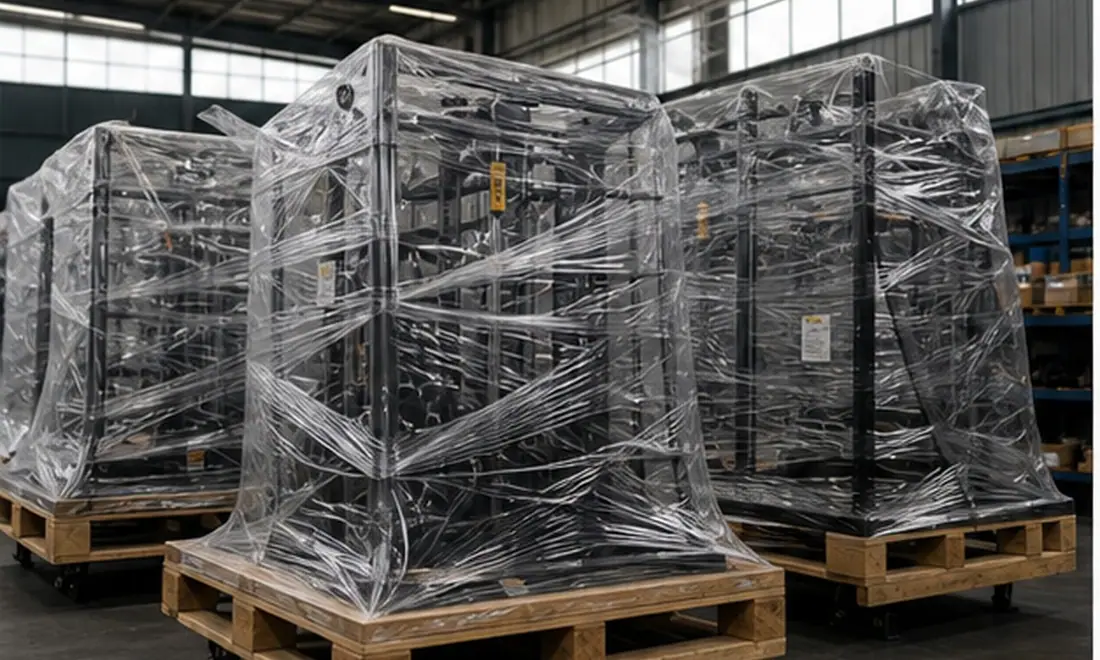
OEM orders are often judged visually. If the buyer cares about brand appearance, the packing method should protect frame finish, upholstery, labels and visible parts from scratches or compression damage. Ask how branded components are protected and whether the same approach can be repeated in later shipments.
This question is important because private-label buyers do not only sell function. They also sell presentation and trust. Packaging should help preserve both.
Approve Final Packing Photos Before Shipment
One of the simplest but most useful buyer controls is final packing-photo approval. Ask for photos that show labels, carton marks, protected parts, grouped accessories and loading readiness. These photos become part of the production record and can help resolve receiving questions later.
If the order includes dealer stock or project segmentation, ask the factory to show how the shipment is divided. WDER can help coordinate packing-photo review, export communication and receiving clarity for suitable B2B programs.
Internal WDER Buying Path
Useful next pages for buyers: commercial gym equipment catalog, OEM and private label support, WDER factory verification, gym project planning, commercial project cases, strength and free-weight category support, send a quote request. These pages help buyers move from packaging approval into full OEM and project coordination.
If your main concern is distributor stock control, combine this guide with the OEM page first. If your main concern is mixed project receiving, combine it with the gym solutions and factory pages before final shipment approval.
Common OEM Packaging Mistakes
One mistake is approving product appearance without approving carton logic. Another is using different naming or grouping systems across documents, cartons and warehouse expectations. Buyers also often wait too long to discuss carton marks, which creates rushed decisions near shipment.
A further mistake is assuming outer-carton clarity is optional because the products themselves are already confirmed. For distributor and mixed-project orders, packaging clarity is part of product quality.
FAQ
What should be included in an OEM gym equipment packaging checklist?
Include carton marks, SKU naming, logo use, destination notes, mixed-order grouping, hardware labels, protection method and final packing-photo review.
Why are carton marks important for private-label orders?
They help receiving, warehouse control, stock handling and local resale accuracy after the products arrive.
When should packaging be approved?
Before production ends and before shipment booking, so the factory has time to apply the correct standards consistently.
Can WDER support mixed-order packing review?
Yes. WDER can discuss packaging grouping, receiving logic, OEM details and export-ready packing control for suitable orders.
What is the biggest packaging mistake buyers make?
Treating carton marks and receiving labels as a minor logistics detail instead of part of the commercial product standard.
Suggested CTA
Request OEM Packaging Checklist Support: send your product scope, market, private-label requirements and shipment type. WDER can help review carton marks, label logic and receiving readiness.
A Practical Inquiry Example
A useful inquiry might say: "We are placing a private-label commercial gym equipment order that includes strength machines, benches, racks and free weights. Please advise how carton marks, labels and product grouping should be structured for warehouse receiving and reseller stock control. We also need final packing-photo confirmation before shipment."
That message gives the supplier a clear operational objective instead of a vague request for generic packing.
Final Buyer Reminder
Good OEM packaging reduces mistakes after the goods leave the factory. Buyers who define carton marks, grouping logic and packing-photo approval early protect their warehouse process, project receiving and brand presentation. This is one of the simplest ways to improve private-label order control.
Multilingual and Regional Note
Current Portuguese, Spanish and French-speaking importer signals still show strong demand for packaging, receiving and document clarity. That suggests future localized OEM support pages should prioritize practical shipment-control content over generic branding claims.