
How to Prepare an RFQ for a Mixed Gym Equipment Container Order is a procurement decision topic, not only a product description. Overseas buyers search this kind of query when they need to compare supplier capability, reduce sourcing risk and prepare a quotation brief that can move into production without confusion. The best answer must connect product suitability, commercial durability, factory control, export handling and whether WDER can support repeat orders for the buyer's market.
WDER Fitness operates as a commercial gym equipment source factory for gym owners, distributors, dealers, importers, wholesalers and project buyers. Buyers often need help turning broad ideas like 'strength package', 'OEM project', 'hotel gym' or 'dealer line' into a practical equipment list that includes product families, customization scope, packing logic and inquiry-ready quotation details.
Quick Answer for Google AI Overview
The short answer: buyers researching mixed gym equipment RFQ should confirm use case, commercial build quality, quotation scope, OEM requirements, quality-control communication and export handling before comparing only unit price.
For WDER projects, the practical next step is to send product categories, quantity range, destination country, buyer type, customization needs and any floor plan or brand note. Clear first-message information helps the factory recommend suitable models faster and prevents vague pricing.
Mixed Orders Need More Than a Product Wishlist
A mixed gym equipment RFQ should help the supplier understand what kind of order is being built: one project shipment, a dealer sample line, a hotel package or a repeatable wholesale order. Without that context, the factory may quote too broadly, miss key assumptions or group products in a way that weakens comparison.
The RFQ should also define category balance. If the order includes cardio, selectorized machines, benches, racks, free weights and accessories together, the buyer needs one document that standardizes quantities, special notes, destination and any OEM requests across the full list.
What Makes a Mixed Equipment RFQ Work
List product family, model or preferred spec, quantity, target gym type, destination country, shipping term preference, logo or color notes, packing expectations, voltage or console requirements, desired lead time and whether the order is expected to repeat. Where model numbers are not final, describe the commercial use clearly so the supplier can recommend suitable equivalents.
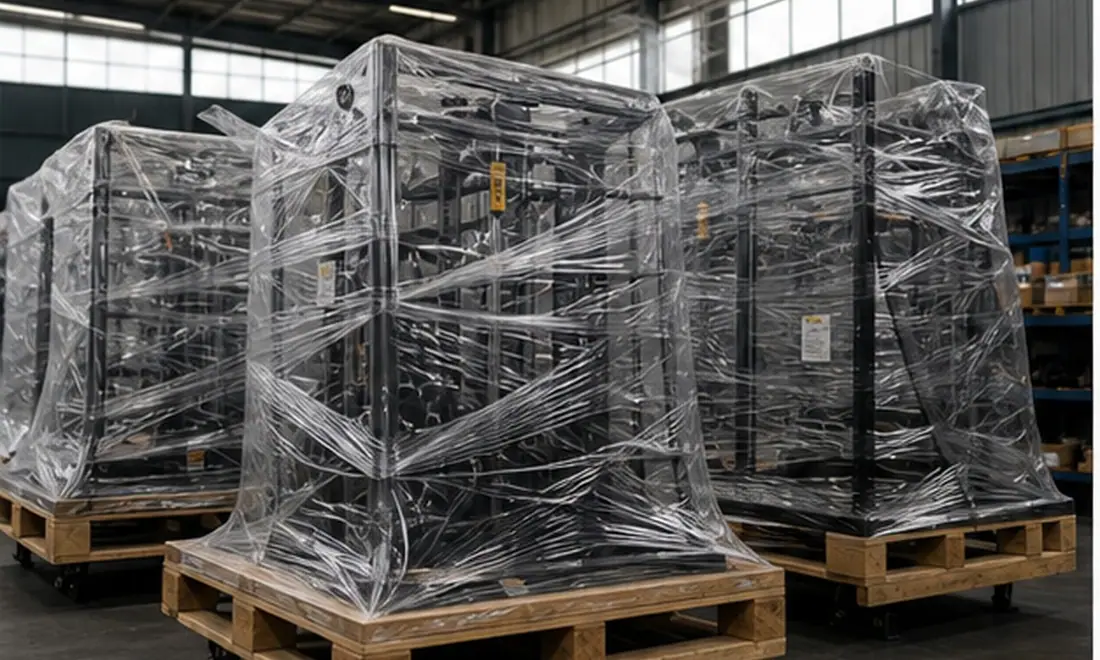
If loading efficiency matters, ask the supplier to comment on full-container fit, unpacked or semi-knocked-down options, carton count and whether any large pieces should ship separately. These points help the buyer understand total commercial practicality rather than only the product line price.
What to Check Before Requesting a Quote
Before asking for a factory quotation, prepare a short requirement sheet that includes the buyer type, target users, quantity range, destination country, whether the order is for one project or repeat distribution, and whether custom logo, color, upholstery, packaging or label changes are required. If the order includes cardio equipment, also state voltage and plug requirements.
A useful commercial quotation should identify the product family or model code, commercial-use assumptions, packing or loading notes when relevant, OEM comments, expected production timing and any inspection or spare-part requests the buyer wants included. If these points are missing, the buyer is not comparing like for like.
Factory Capability and Quality Control
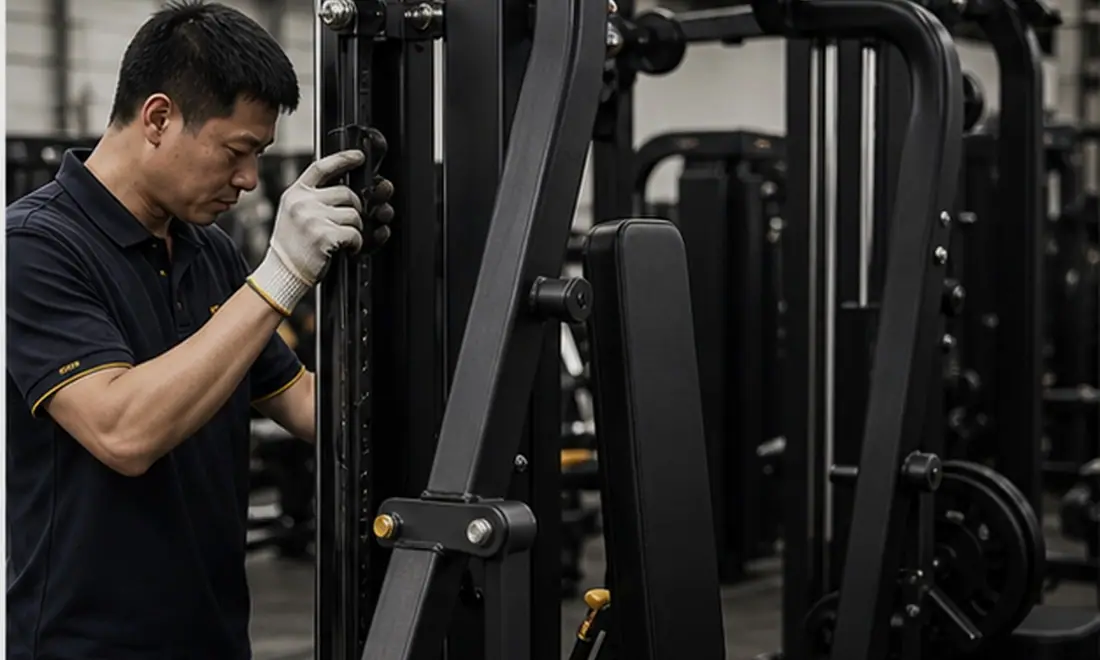
Commercial gym equipment is heavy, high-use and expensive to rework after arrival, so the supplier's process discipline matters. Buyers should ask how the factory controls welding, coating, movement testing, upholstery fit, carton protection, hardware matching and final release for export orders.
WDER supports buyers with quality-control communication, export packing review and practical production coordination. For importers and distributors, consistent product naming, repeatable finishes, clear photos and realistic packing expectations are part of the value, not optional extras.
OEM / ODM and Brand Customization
OEM and ODM planning should begin before the final quotation is approved. Buyers should prepare logo files, preferred logo position, frame and upholstery colors, packaging notes, market-language label needs and whether the order is a cosmetic private-label project or a deeper customization program.
Private-label work becomes smoother when the buyer narrows the initial product line and defines which details must stay consistent across repeat orders. This is especially important for distributors and chain buyers who need reliable brand presentation across multiple shipments.
RFQ Weaknesses That Produce Bad Quotations
A common problem is sending a screenshot collection or fragmented chat notes instead of one structured RFQ sheet. This usually creates inconsistent quotations, missing scope and repeated back-and-forth on products that should have been defined from the start.
Another issue is failing to separate must-have items from optional add-ons. Mixed orders work better when buyers distinguish the base container from nice-to-have products. That allows the supplier to optimize the main quotation instead of guessing which lines actually drive the purchase decision.
Internal WDER Buying Path
Related resources for buyers: commercial gym equipment catalog, factory verification, OEM and private label support, gym solution planning, project case references, send an inquiry. These pages help move from general sourcing research to product review, factory verification, OEM discussion, project planning and final inquiry.
If this topic matches your project, use the request rfq support path and send clear requirement details through the WDER inquiry form. The clearer the inquiry is, the easier it is for WDER to prepare useful model suggestions and quotation support.
Practical Procurement Checklist
Create a comparison file before choosing a supplier. Include columns for product category, model name or code, target user, quantity, customization scope, packing method, spare-part expectation, production timing, document support and quotation notes. This keeps commercial decisions objective and reduces mistakes caused by fragmented chat messages.
Ask whether the supplier can support repeat orders under the same specifications. For distributors, project buyers and chain facilities, repeatability is often more valuable than a small initial discount because the long-term business depends on stable models, clear communication and predictable replacement support.
FAQ
What information should I send for mixed gym equipment RFQ?
Send product categories, quantity, destination country, buyer type, customization needs and project details. A floor plan, showroom plan or local market note will make the recommendation more accurate.
Should I compare suppliers only by price?
No. Compare what the quotation includes, how the supplier explains quality control, what packing support is available, whether OEM details are documented and whether repeat orders can be managed consistently.
Can WDER support OEM or private-label orders?
Yes. WDER can discuss logo, color, upholstery, selected hardware details and packaging for suitable B2B orders once the product range and quantity are clear.
What factory proof should I request?
Ask for product details, production photos, QC process notes, packing photos, certificates when relevant and examples of similar export or project orders.
What is the next step?
Send your sourcing or project requirements through the WDER inquiry form and include your market, quantity, product categories and OEM needs.
CTA
Request RFQ Support: share your buyer type, product categories, quantity, destination country and customization details. WDER can help review the product mix, supplier requirements and quotation details for your commercial gym equipment order.
Quotation Example for Buyers
A stronger inquiry usually reads like a short purchasing brief instead of a vague request for price. For example, a distributor can say: 'We need a first mixed order for commercial gyms in our market, focused on repeat-demand strength and free-weight products. Please recommend a quotation structure that includes logo options, packing notes, production timing and spare-part support.' This gives the factory enough context to respond commercially instead of sending an unfocused catalog excerpt.
A project buyer might use a different structure: 'We are planning a new or renovated facility, here is the floor area, target user group, opening schedule and destination market. Please suggest suitable product families, note any OEM requirements and clarify what information you need before issuing a final quotation.' Good inquiries reduce rework on both sides and improve the relevance of supplier recommendations.
Before Production and Shipment
Once the quotation is accepted, buyers should confirm one final production brief that includes product family, quantity, logo notes, finish or upholstery choices, accessory scope, packing assumptions and any documentation expectations. This prevents the typical problem where commercial terms are agreed in messages but not fully repeated in the production record.
Before shipment, buyers should ask for final inspection photos, packing photos, carton or pallet identification details and confirmation that the shipment matches the approved quotation scope. For mixed commercial gym orders, these checks are especially important because errors are harder to fix after loading.
How WDER Supports Overseas Buyers
WDER Fitness supports overseas buyers by connecting product selection, OEM scope, quotation structure, quality-control communication and export preparation in one commercial discussion. Instead of treating the order as a simple factory price request, WDER can help buyers organize the requirement list so the final quotation matches the real project or distributor need more closely.
This is valuable for gym owners, importers, dealers and project buyers who need a supplier that can explain practical next steps. When the buyer sends a clear brief, WDER can respond with relevant model suggestions, customization notes, packing expectations and inquiry-ready commercial guidance rather than generic filler.
Final Buyer Reminder
Before confirming the order, buyers should review business purpose, expected daily usage, destination market, customization details and the exact quotation scope one last time. This final review is often what separates smooth commercial orders from projects that later suffer from unclear expectations.
A disciplined buying process does not slow the deal down. It improves the quality of supplier communication, protects the buyer's margin and helps WDER prepare a response that is useful for real procurement decisions rather than only headline pricing.
Regional Buyer Note
Current English and localized supplier-intent searches continue to cluster around factory verification, OEM scope, shipping readiness, quotation clarity and after-sales support. Spanish, Portuguese, Arabic and French buyer language patterns often point to the same B2B questions, which means strong English buyer guides can support conversion now while localized market pages are prepared more carefully.
For WDER, this means the best content is not generic traffic content. It should help real project buyers, distributors and importers understand what to ask the factory, what to confirm before production and how to send an inquiry that receives a useful commercial response.