
Introduction
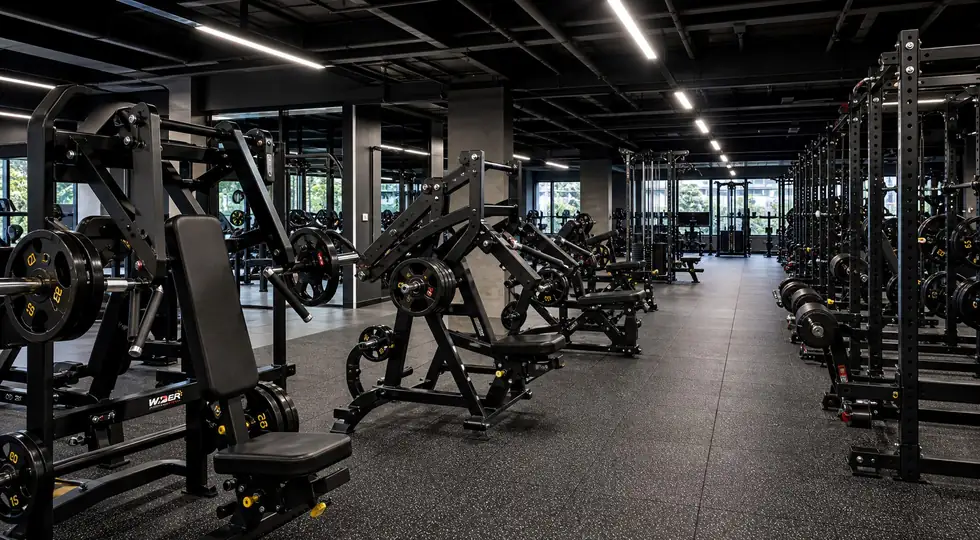
Buying commercial gym equipment is not only choosing machines from a catalog. A successful gym project depends on layout, user profile, training zones, installation preparation, shipping, packaging, supplier communication and after-sales planning. If these details are not prepared before ordering, the buyer may face layout problems, missing parts, delayed installation or equipment that does not match the target users.
This checklist is designed for gym owners, importers, distributors and project buyers who are planning a commercial gym equipment order. It can be used for a new fitness club, hotel gym, school training room, apartment gym, distributor showroom or full-container import order.
The goal is practical: help you prepare the information a supplier needs, choose equipment according to real application scenarios, reduce shipment and installation risk, and improve the quality of your inquiry.
Quick Checklist Before Requesting a Quote
Before asking for a quotation, prepare these details:
- Gym type and target users
- Floor plan with dimensions
- Ceiling height
- Entrance, elevator and delivery route
- Desired equipment categories
- Estimated quantity
- Budget range
- Target market and electrical standard
- Branding or OEM requirements
- Required lead time
- Installation plan
- Shipping destination
- Packing requirements
- Warranty and spare parts expectations
The more complete your information is, the easier it is for a supplier to recommend suitable commercial gym equipment and avoid wrong assumptions.
Step 1: Define the Gym Type and User Profile
Every gym project should start with users, not machines. A bodybuilding gym, hotel gym and corporate wellness room need different equipment. If the product list does not match the users, even good machines can feel wrong.
Common gym types include:
- Commercial fitness clubs
- Strength training gyms
- Hotel gyms
- Apartment gyms
- School or university training rooms
- Corporate wellness centers
- Rehabilitation-friendly fitness areas
- Distributor showrooms
For each project, define the expected user profile:
- Beginner users
- General fitness members
- Experienced lifters
- Athletes
- Female-focused training groups
- Older adults
- Hotel guests
- Students
- Personal training clients
This affects machine selection. Beginner-heavy gyms usually need more selectorized machines because they are easy to adjust. Strength-focused gyms often need more plate loaded machines, racks, benches and free weights. Hotel gyms may need compact, low-maintenance equipment. Distributor showrooms need a balanced product display that helps customers understand different categories.
Step 2: Plan Training Zones
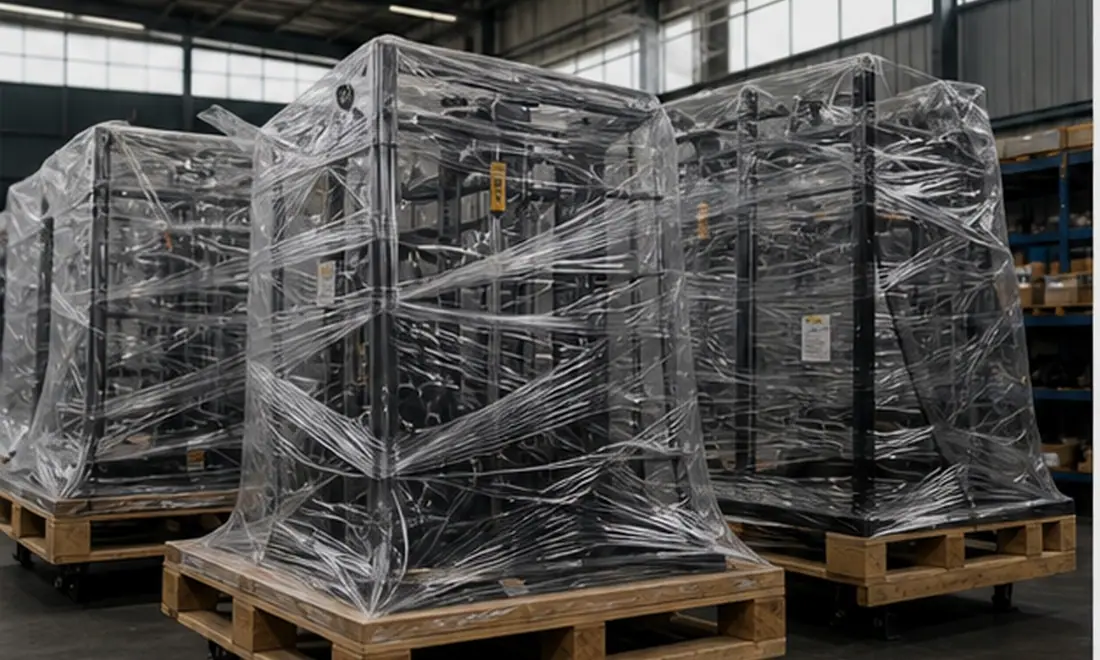
A commercial gym should be planned by zones. This makes the layout easier to use and easier to explain to suppliers.
Typical zones include:
- Cardio zone
- Selectorized strength zone
- Plate loaded strength zone
- Free weight zone
- Functional training zone
- Stretching and warm-up zone
- Storage and accessory area
- Reception or consultation area, if needed
Each zone has different space and safety needs. Plate loaded machines need room for users to load plates and move around the machine. Free weight areas need strong flooring, mirrors, racks and plate storage. Cardio zones may need power outlets and ventilation. Functional zones require open space rather than too many fixed machines.
When sharing a floor plan with a supplier, mark doors, pillars, windows, walls, mirrors, electrical points and any areas that cannot be used. A supplier can then recommend equipment sizes and layout direction more accurately.
Step 3: Choose Equipment Categories
A complete commercial gym equipment list usually includes several categories. The exact mix depends on the business model, but a general project may include:
- Commercial treadmills
- Ellipticals or bikes
- Selectorized strength machines
- Plate loaded machines
- Benches
- Power racks or squat racks
- Dumbbells
- Barbells and plates
- Cable machines or functional trainers
- Storage racks
- Accessories
For strength equipment, divide the list by body part:
- Chest
- Back
- Shoulders
- Arms
- Legs
- Core
This helps prevent imbalance. For example, a gym with many chest machines but few back machines may not support complete training programs. A good supplier should help review whether the product list is balanced.
For importers and distributors, category planning also affects container loading. Heavy machines, free weights and cardio equipment have different packing requirements and shipment weight. A mixed order should be planned carefully.
Step 4: Compare Plate Loaded and Selectorized Machines
Many commercial gym projects need both plate loaded and selectorized machines. The balance should depend on users and space.
Plate loaded machines are suitable for:
- Strength-focused gyms
- Experienced lifters
- Bodybuilding areas
- Heavy training zones
- Facilities with enough plate storage
Selectorized machines are suitable for:
- Beginner-friendly gyms
- Hotels and apartments
- Corporate gyms
- General fitness clubs
- Facilities with limited supervision
A common strategy is to use selectorized machines for easy full-body training and plate loaded machines for high-impact strength areas. For example, a commercial gym may use selectorized lat pulldown, seated row, chest press and leg extension, then add plate loaded row, chest press, leg press and hack squat for advanced users.
Before ordering, ask the supplier for machine dimensions, loading capacity, frame structure, weight stack options, spare parts and packing sizes.
Step 5: Review Space, Clearance and Safety
Product dimensions are not the same as required floor space. A machine may be 1600 mm long, but the user still needs space to enter, adjust, train and leave safely.
For layout planning, consider:
- Machine footprint
- User movement area
- Plate loading clearance
- Cable movement path
- Walkways
- Emergency exits
- Cleaning access
- Maintenance access
- Mirror and wall distance
Avoid placing machines too close together just to fit more products. Overcrowded layouts look impressive on a list but create poor user experience. They can also make installation and maintenance difficult.
For commercial gym projects, ask the supplier to review whether the equipment list fits the floor plan. If the supplier only sends prices without asking about space, the buyer should take extra care.
Step 6: Prepare Installation Conditions
Installation preparation should begin before shipment, not after goods arrive. Many delays happen because the buyer did not check door size, elevator capacity, floor access or assembly space.
Prepare these details:
- Delivery address
- Unloading point
- Door width and height
- Elevator size and load capacity
- Stair access, if any
- Floor level
- Ceiling height
- Assembly area
- Local installation team availability
- Tools required
- Electrical outlets for cardio machines
- Flooring condition
For heavy commercial strength equipment, some frames may be large or heavy. If the gym is upstairs, confirm whether the machines can pass through the delivery route. For cardio equipment, confirm electrical requirements and plug type.
Ask the supplier for packing dimensions and assembly instructions before shipment. If possible, prepare an installation sequence by zone.
Step 7: Confirm Shipping, Packing and Container Loading
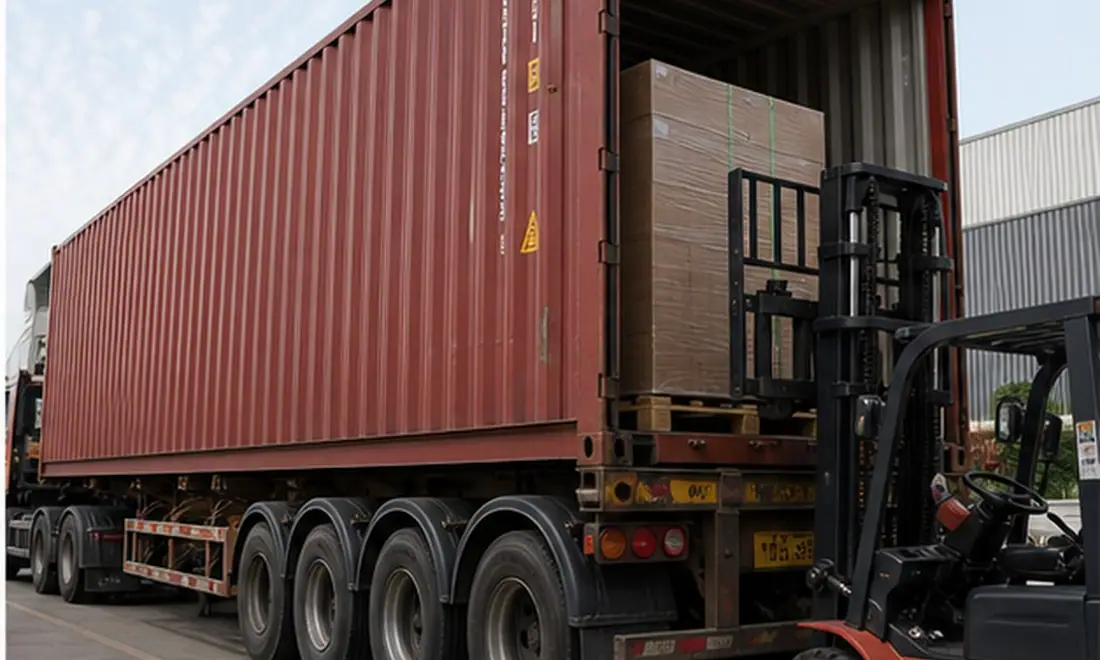
Shipping is a major part of buying commercial gym equipment from overseas. The buyer should understand packing method, gross weight, volume, container loading and destination handling.
Ask the supplier:
- What is the packing method for each product?
- What are the packing dimensions?
- What is the gross weight?
- How many units fit in a container?
- Are small parts packed separately or inside the machine package?
- Are cartons or wooden cases labeled?
- Can the supplier provide packing photos?
- Can the supplier provide container loading photos?
For export shipment, packaging should protect painted frames, pads, handles, weight stacks, cables and small parts. Shipment inspection should confirm quantity, visible condition, labels and packing list before goods leave the factory.
For distributors, container planning affects landed cost. A supplier who can provide accurate packing data helps you calculate freight and pricing more reliably.
Step 8: Define Product Quality Requirements
Quality requirements should be clear before production. Do not assume that every supplier uses the same standards. For strength equipment, confirm:
- Frame material
- Tube size and thickness
- Welding quality
- Powder coating
- Upholstery
- Foam density
- Handle grip
- Bearing or bushing type
- Cable and pulley specification
- Weight stack accuracy
- Hardware quality
- Rubber feet
- Label and instruction quality
For factory testing, ask whether the manufacturer checks movement, stability, coating, upholstery and packaging before shipment. For first orders or OEM orders, request selected product photos and testing videos.
Trustworthy suppliers should be comfortable discussing practical quality details. They do not need to overpromise. They need to explain how they control the process.
Step 9: Prepare OEM and Branding Requirements
If you are buying for a private label brand, distributor or showroom, prepare branding requirements early.
OEM requirements may include:
- Brand logo
- Frame color
- Pad color
- Stitching color
- Product labels
- Warning labels
- Packaging marks
- User manual language
- Catalog photos
- Product naming
Send logo files in the required format and confirm placement before production. For custom colors, provide color codes or reference samples. For packaging, confirm whether outer cartons or crates should show your brand.
OEM details should be approved with mockups or sample photos. This reduces the risk of incorrect logo position, wrong color or packaging misunderstanding.
Step 10: Plan Spare Parts and After-Sales Support
Commercial gym equipment is a long-term product. Even strong machines need maintenance and spare parts. Before ordering, ask the supplier about common spare parts and warranty support.
Useful spare parts may include:
- Cables
- Pulleys
- Adjustment pins
- Upholstery pads
- Rubber feet
- Handle grips
- Bolts and hardware
- Bearings or bushings
- Weight stack pins
- Touch-up paint, if available
For distributors, it is smart to keep a small spare parts inventory. For gym owners, ask the supplier which parts are most likely to need replacement over time.
Also prepare maintenance instructions for your team. Regular checks on bolts, cables, pads, frame stability and moving parts can reduce downtime.
Step 11: Send a High-Quality Inquiry
A high-quality inquiry helps the supplier respond with accurate recommendations. Instead of only asking "please send price," include practical information:
- Company name and country
- Buyer type
- Gym type or sales channel
- Floor plan or room size
- Product categories needed
- Estimated quantity
- Target budget
- OEM requirements
- Shipping destination
- Expected delivery time
- Questions about warranty and spare parts
If you already have a product list, send it. If not, explain the project goal and ask the supplier to recommend a package.
Better information usually leads to better quotation quality. It also helps the supplier judge whether a mixed container, full project package or sample order is more suitable.
Step 12: Review the Quotation Like a Buyer, Not a Tourist
A quotation should be reviewed carefully. Check:
- Product model and name
- Quantity
- Unit price
- Trade terms
- Packing details
- Lead time
- Payment terms
- Warranty
- Spare parts policy
- Validity period
- Shipment information
- Customization cost
Make sure the quotation matches your requirements. If you requested custom logo, special color or packaging, confirm whether it is included. If the quotation is very low, check whether packing, weight stacks, accessories or spare parts are excluded.
For commercial projects, the cheapest quotation is not always the safest. The best quotation is clear, complete and aligned with real requirements.
CTA: Need a Commercial Gym Equipment Package?
If you are preparing a gym project, send your floor plan, product categories, target users and shipping destination. WDER can help review your requirements and suggest a practical equipment package.
Suggested button: Send Your Gym Project Requirements
FAQ
What information should I provide when buying commercial gym equipment?
Provide gym type, floor plan, target users, equipment categories, estimated quantity, budget range, shipping destination, installation conditions and OEM requirements if needed.
How much space should I leave between gym machines?
Spacing depends on machine type and local safety requirements. In general, leave enough room for users to enter, adjust, train and move safely. Plate loaded machines need additional space for loading plates.
Should I choose plate loaded or selectorized machines?
Most commercial gyms use both. Plate loaded machines are strong for experienced lifters and strength zones. Selectorized machines are easier for beginners and general users.
What should I check before shipment?
Check product quantity, packing condition, labels, visible finish, spare parts, packing list and container loading photos. For first orders, request selected product testing photos or videos.
Do I need installation preparation before the equipment arrives?
Yes. Confirm delivery route, door size, elevator capacity, floor condition, tools, local installation team, assembly area and electrical outlets for cardio equipment.
Conclusion
Buying commercial gym equipment is easier when the project is prepared clearly. Start with users and layout, then choose equipment categories, confirm product specifications, plan installation, review shipping and clarify supplier requirements.
A good manufacturer should help you understand product options, prepare packing information, support OEM details and reduce shipment or installation problems. For importers, distributors and gym owners, this preparation improves quotation quality and lowers project risk.
Use this checklist before requesting your next quotation. It will help you communicate like a professional buyer and receive more useful responses from suppliers.
Final CTA
Planning a commercial gym, distributor order or private label equipment line? Contact WDER Fitness Equipment with your floor plan, product list, target market and shipping destination. We can help prepare model suggestions, OEM options and quotation details.
Suggested button: Contact Us